People often use the two terms like they mean the same thing. They don't. Picking the wrong method can strip paint, etch concrete or crack roof tiles, so it is worth knowing the difference before you book anyone, or before you hire a machine and have a go yourself.
What is soft washing?
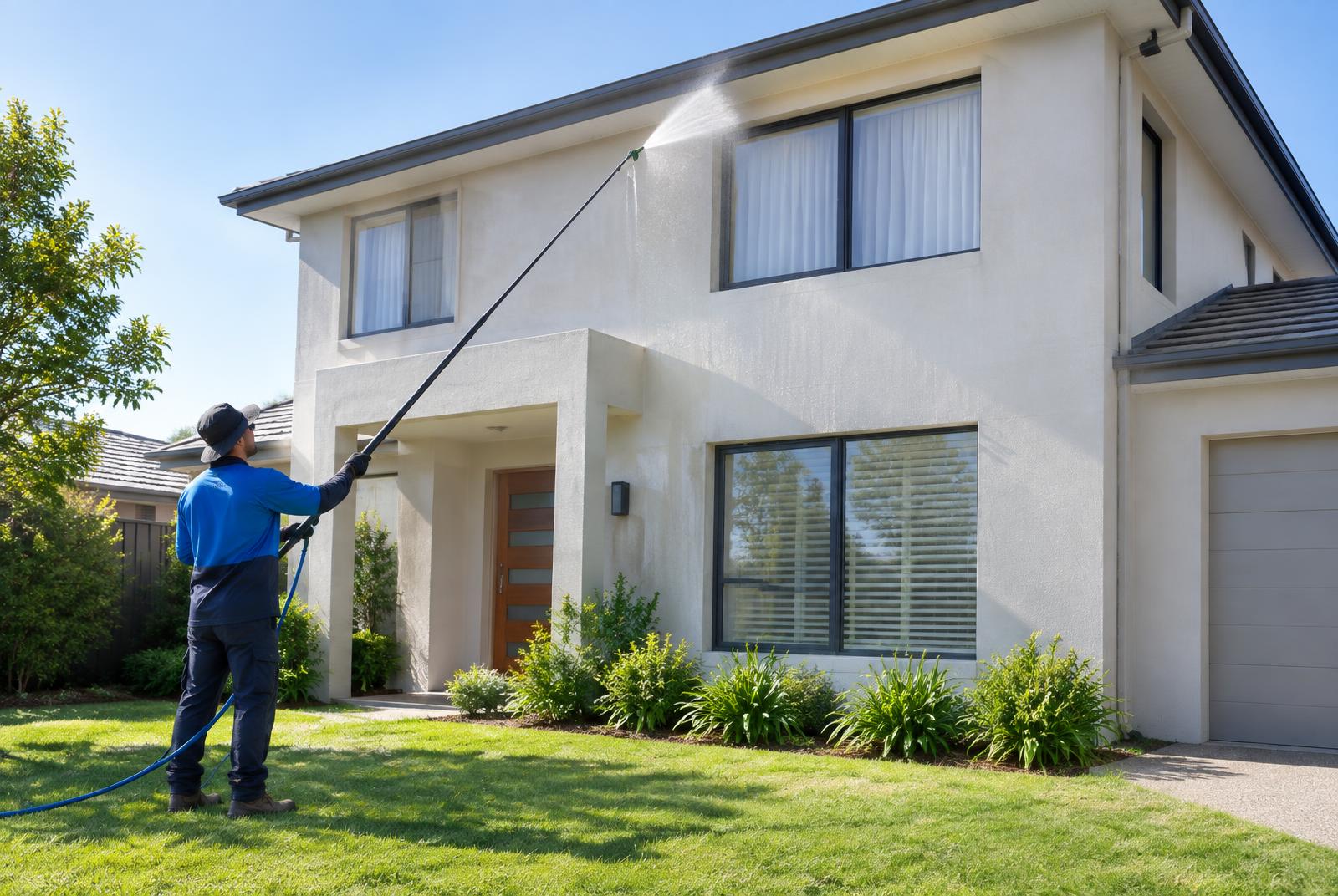
Soft washing uses low pressure, about the same as a garden hose, combined with a cleaning solution that breaks down mould, algae and lichen. The solution does the work, then a gentle rinse carries it away. Because the growth is killed rather than just blasted off the surface, the results last noticeably longer than a rinse alone.
- Best for roofs, rendered walls, painted weatherboards and cladding
- Kills organic growth at the root, so results last longer
- Will not force water under tiles or behind window seals
- Safe around solar panels, skylights and older paintwork
What is pressure washing?
Pressure washing uses a high pressure stream of water, often hot, to blast away dirt, oil and grime. On hard surfaces it is fast and very effective. The catch is that the same force that lifts oil out of concrete will also lift paint off a weatherboard or force water under a roof tile.
- Best for concrete, pavers, car parks and some brick
- Removes oil stains, tyre marks and built up dirt
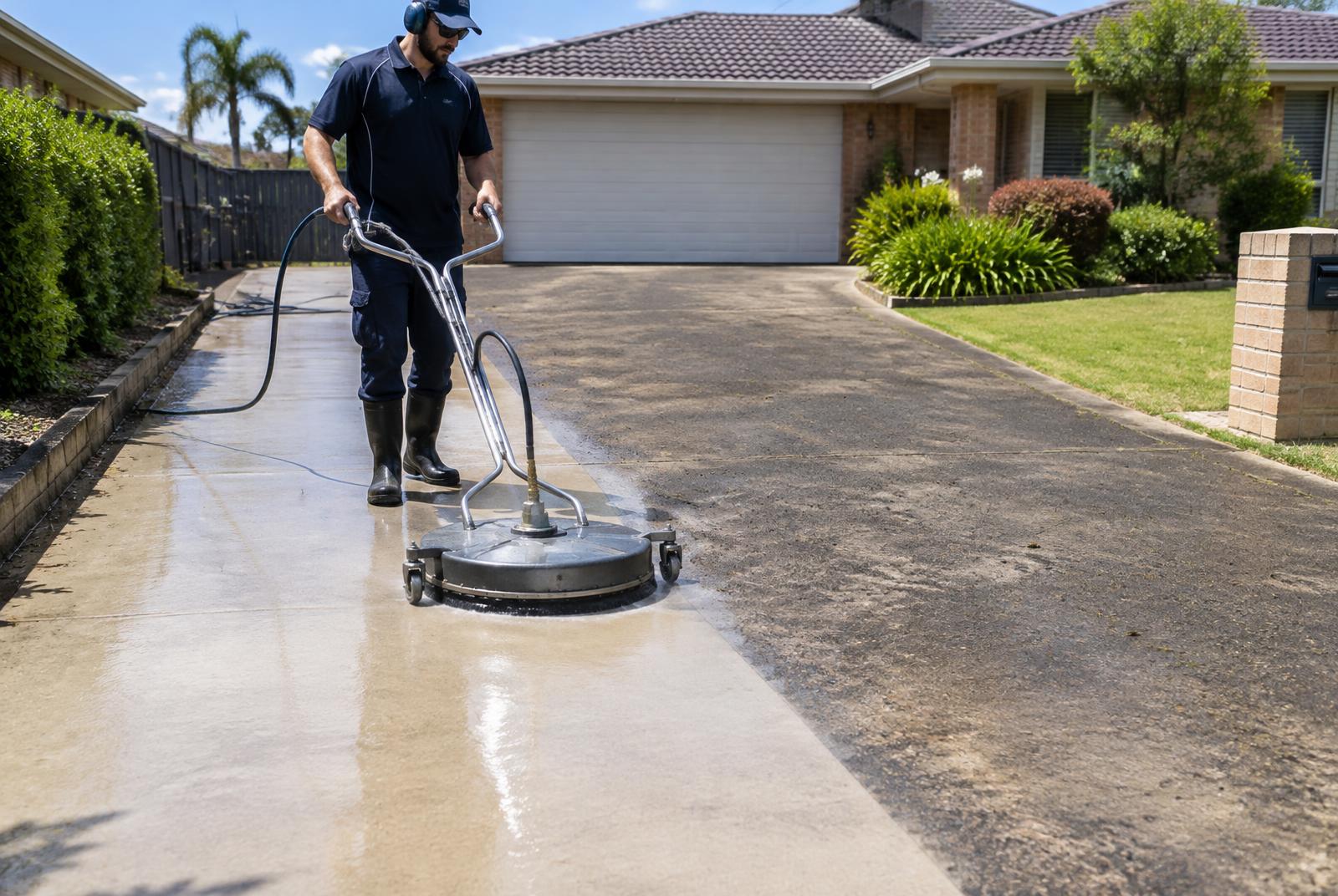
- Usually done with a rotary surface cleaner for an even, stripe free finish
- Too aggressive for roofs, render, timber and painted surfaces
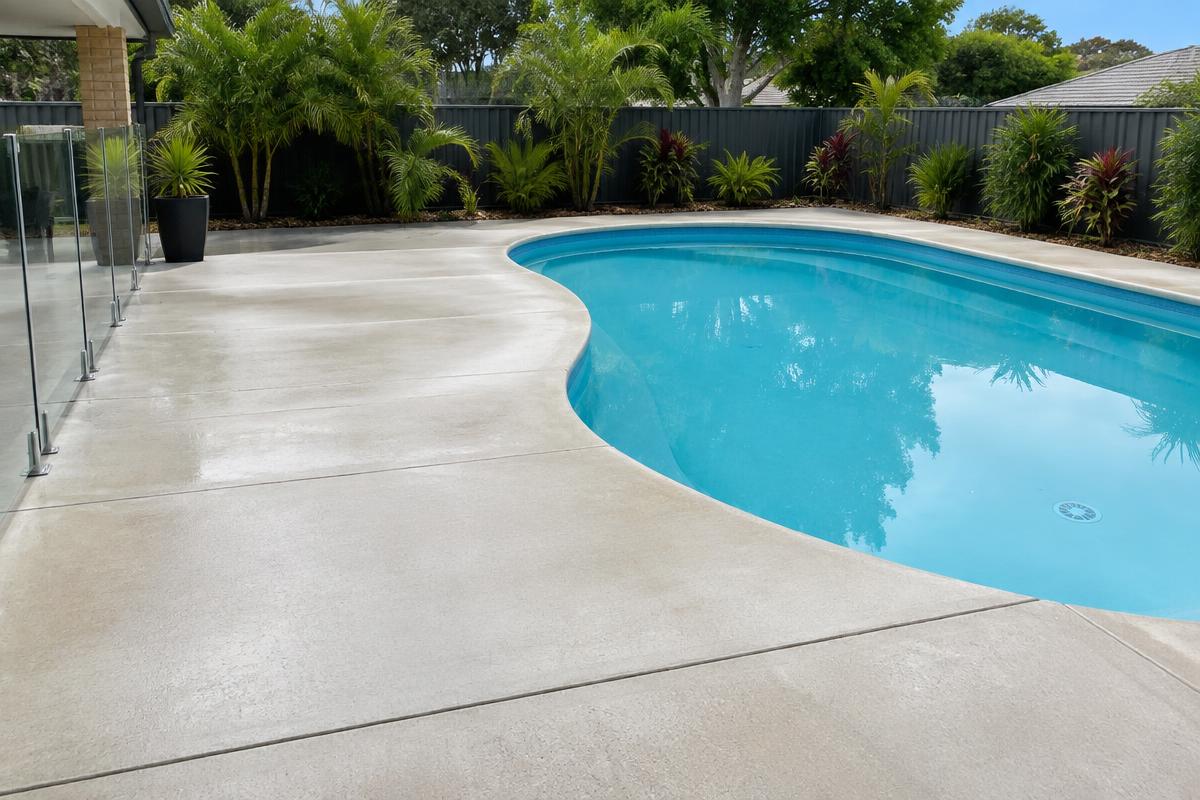
Which surfaces suit which method
A simple way to think about it: if the surface is hard and solid, pressure is usually fine. If it is painted, porous, layered or sealed, soft washing is the safer choice.
- Roof tiles and metal roofing: soft wash only
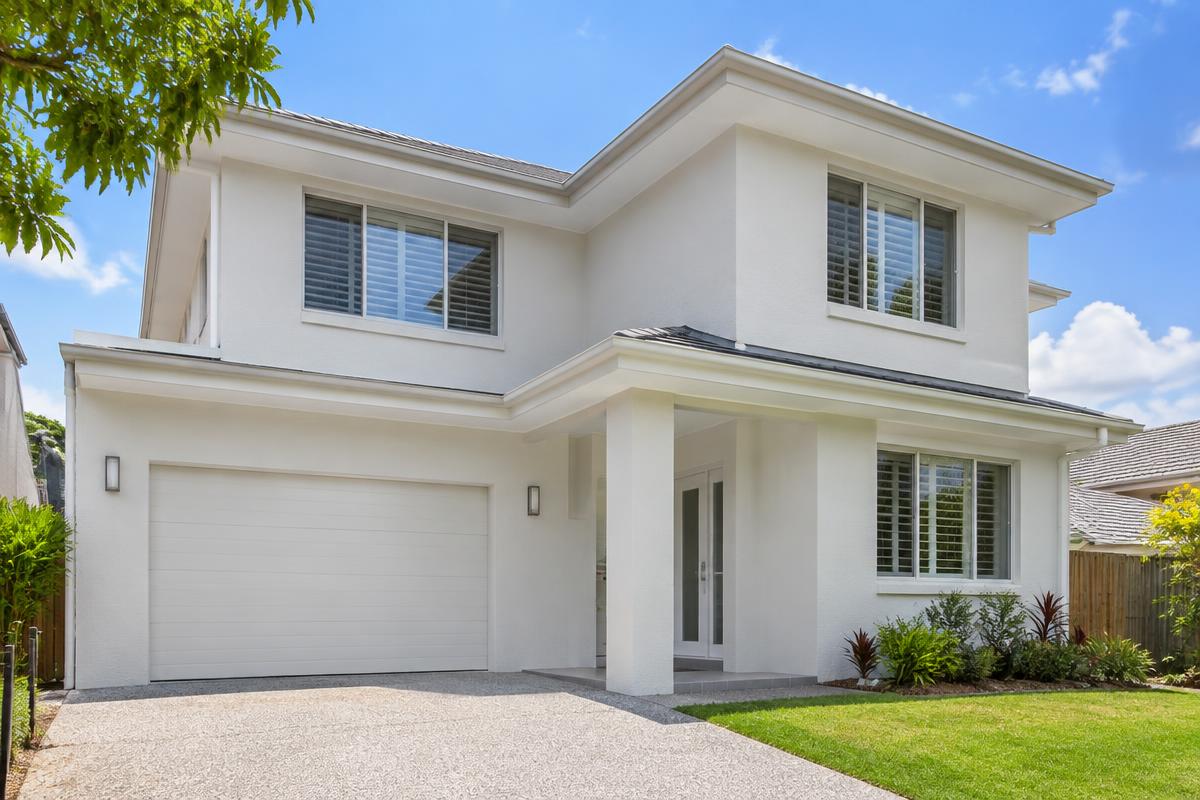
- Rendered and painted walls: soft wash
- Concrete driveways and paths: pressure wash
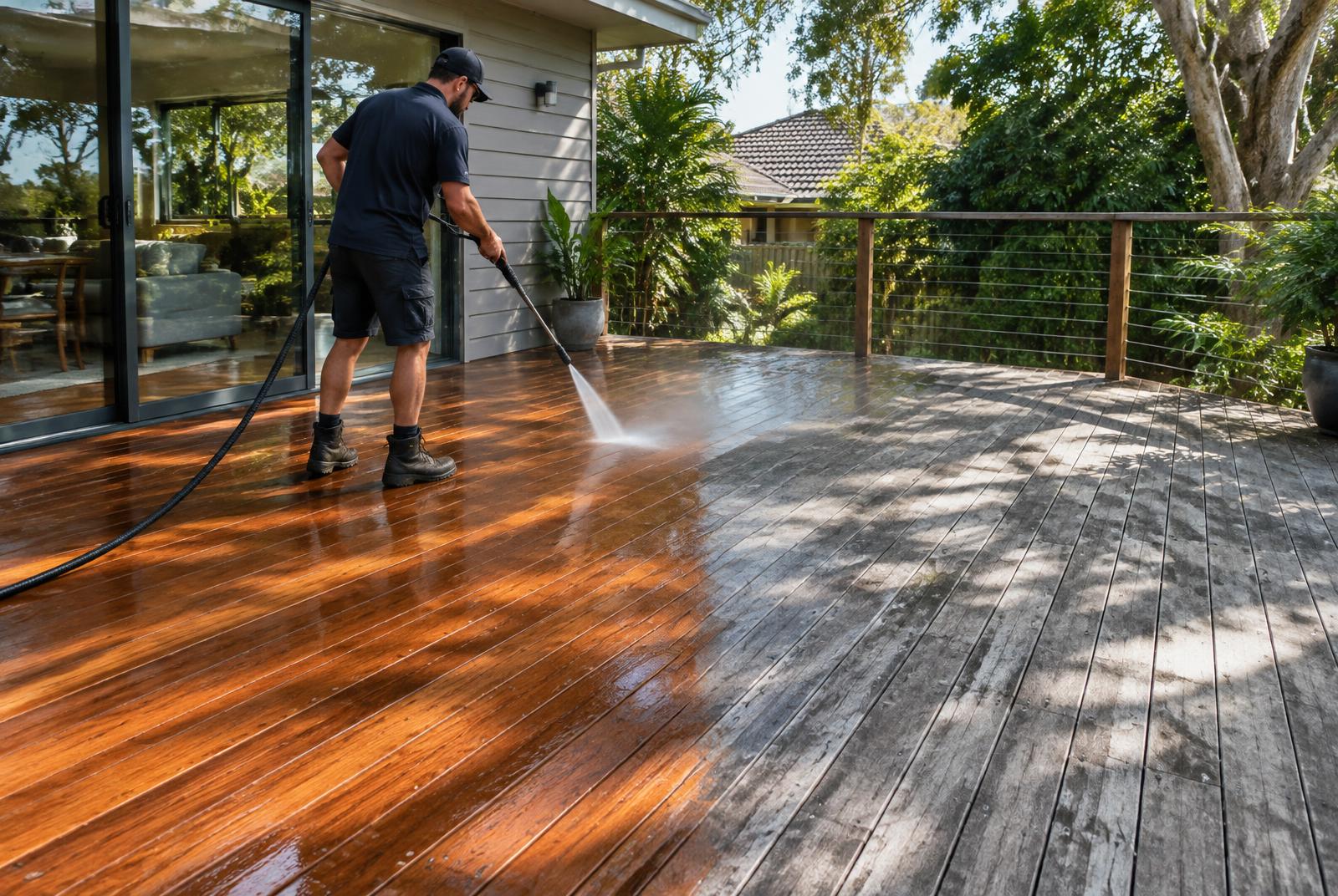
- Timber decks and fences: gentle soft wash with a timber safe cleaner
- Pavers: pressure wash, then re-sand the joints if needed
Which one does your property need?
Most homes need both. We soft wash the roof and walls, then pressure clean the driveway and paths and patios. Doing them in the right order matters too: roof first, then walls, then the ground, so dirty runoff never lands on a freshly cleaned surface.
If someone offers to high pressure clean your tiled roof, ask questions. Too much pressure can wear away the surface of concrete tiles and void some manufacturer warranties.
Why the right method saves you money
Damage from the wrong method is rarely obvious straight away. Water forced under tiles can sit in the roof cavity for months before a stain appears on the ceiling. Paint stripped from weatherboards or render etched by too much pressure means repainting or patching, which costs far more than the clean did. Choosing the right method for each surface is really about protecting the surface, not just cleaning it.
There is also the question of how long the results last. A roof that is only rinsed at high pressure can look clean for a few weeks, then the algae regrows from the spores left behind. A proper soft wash treats the growth itself, so the roof stays cleaner for years rather than months.
Can you do it yourself?
Hired pressure cleaners are fine for a small patio if you are careful, but roofs are a different story. Working at height, choosing the right solution strength, and keeping runoff out of gardens and stormwater all take experience. A poor DIY job can leave stripes on concrete, streaks on walls, or a roof that looks clean for a month before the growth returns.
Want advice on your place? Get in touch and we will recommend the right method for each surface.